
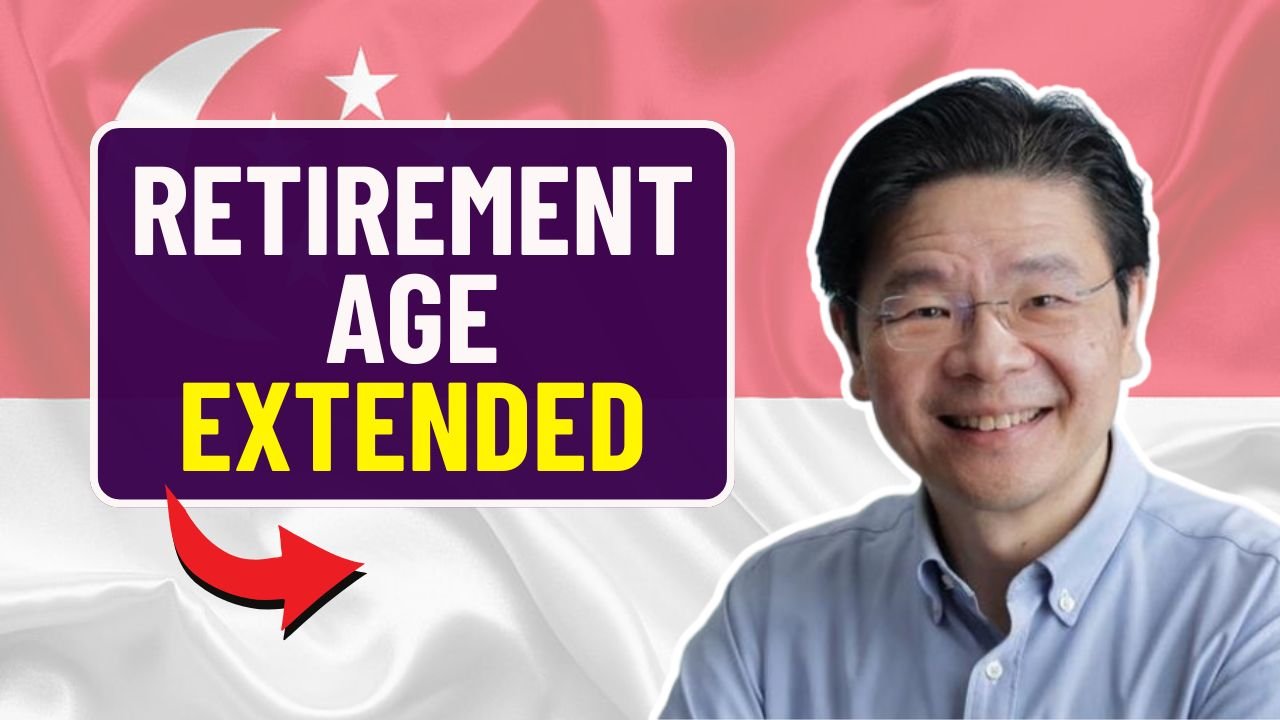
Singapore is preparing for a significant shift in its labor landscape as the government moves forward with its long-term plan to adjust the professional longevity of its citizens. By July 2026, the nation will implement the next phase of its retirement age adjustments. This strategy is designed to address the challenges of an aging population while ensuring that senior citizens remain financially independent and active in the economy. The move is not just a policy change but a reflection of the increasing life expectancy and health standards of the local workforce.
Understanding the Mandatory Retirement Age Adjustments
The core of the 2026 update involves a one-year increase in the baseline age limits for the workforce. Currently, the legal retirement age is set at 63, but this will officially move to 64. Similarly, the re-employment age, which mandates that employers offer continued work to eligible staff, will jump from 68 to 69. These changes serve as a middle ground in the journey toward the year 2030, where the goal is to reach a retirement age of 65 and a re-employment age of 70. This gradual approach allows both the public and private sectors to adapt without sudden operational shocks.
Key Benefits for Senior Employees in the Workforce
For the individual worker, these updates provide a wider window for financial growth and career stability. Extending the years of active employment allows for a more robust accumulation of Central Provident Fund savings, which is essential for a comfortable life post-career. Below are the primary advantages for employees:
- Enhanced job security for older professionals who wish to remain active.
- Increased opportunity to build larger retirement nest eggs through continued wages.
- Access to government-backed re-employment contracts until nearly age 70.
- Protection against age-based dismissal before reaching the new legal limit.
- Continued access to employer-sponsored healthcare and insurance benefits.
Timeline of Retirement and Re-employment Changes
The transition is structured to be predictable, ensuring that businesses can forecast their human resource needs years in advance. The following data highlights the progression of these age limits leading up to the end of the decade.
| Effective Year | Statutory Retirement Age | Statutory Re-employment Age |
| 2025 | 63 Years Old | 68 Years Old |
| 2026 | 64 Years Old | 69 Years Old |
| 2030 | 65 Years Old | 70 Years Old |
Responsibilities and Adjustments for Local Employers
Businesses operating in Singapore must begin reviewing their internal policies to align with the July 2026 deadline. This involves more than just updating paperwork; it requires a shift in how companies manage talent and workplace ergonomics. Employers are expected to offer re-employment to staff who meet performance standards and are medically fit to continue their duties. If a company is unable to find a suitable role for an eligible worker, they may be required to offer an Employment Assistance Payment as a last resort. Companies are encouraged to invest in age-friendly workplace practices and job redesign to make roles less physically demanding for senior staff members.
Long Term Impact on the Singapore Economy
By raising the age limits, Singapore is effectively tapping into a pool of highly experienced talent that would otherwise be exiting the economy. This policy helps mitigate the labor shortage caused by lower birth rates and ensures that knowledge transfer between generations continues. It also reduces the social pressure on the younger generation to support a massive retired population. As the workforce evolves, the integration of senior workers is becoming a cornerstone of the national identity, fostering a culture where age is seen as an asset of experience rather than a barrier to productivity.