
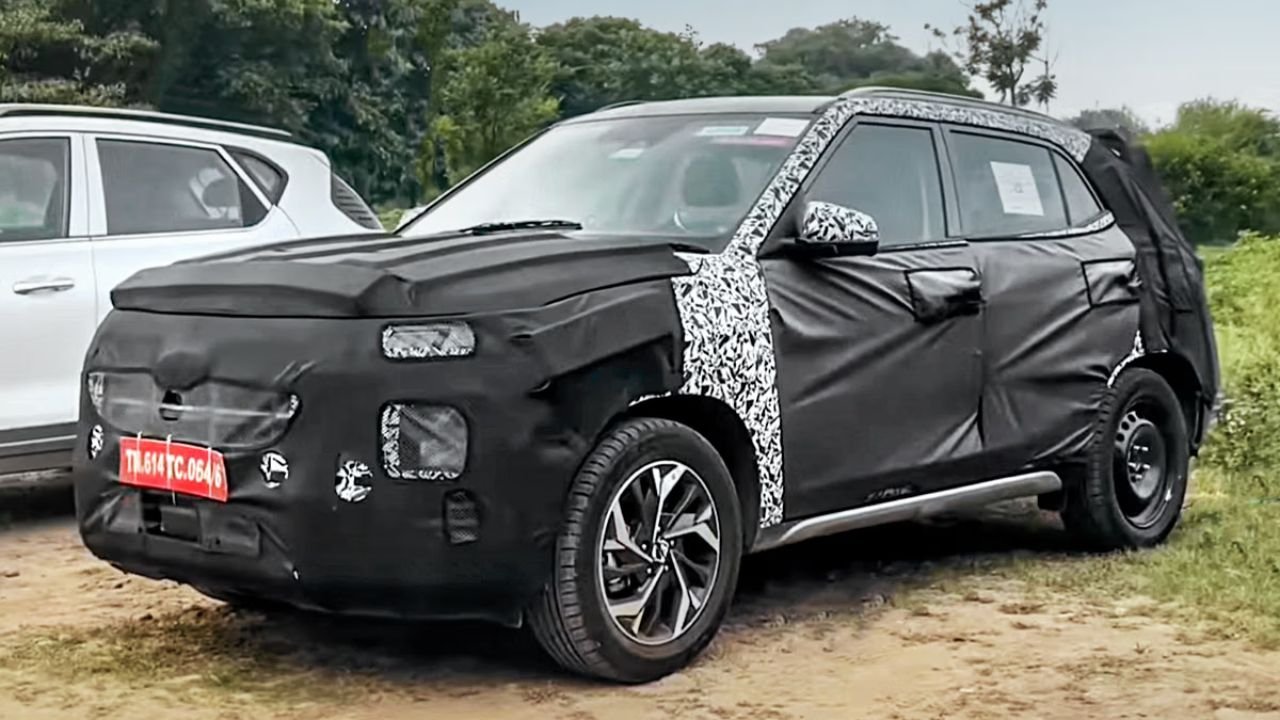
The automotive world is buzzing with excitement as the first images of the third generation Hyundai Creta have surfaced during road tests. While the official launch is expected in 2027, these early sightings provide a clear glimpse into the future of this popular midsize SUV. The upcoming model appears to move away from the fluidic and rounded aesthetics of the current version, embracing a much more rugged and structural appearance. This shift suggests that Hyundai is aiming to capture a broader audience looking for a dominant road presence and increased interior utility.
Evolutionary Design Changes and Exterior Styling
The most striking observation from the recent test mule is the transition to a boxier and more angular silhouette. The vehicle features a more upright front fascia and a steeply raked windscreen that contributes to a modern and aggressive stance. Despite the heavy camouflage, the profile suggests minimal front and rear overhangs, which typically points toward a maximized wheelbase. The side view reveals 18 inch wheels that fill the arches effectively, giving the SUV a planted look. The glass area also follows this new design language, appearing more squared off compared to the current generation.
Transition to the Advanced K3 Platform
One of the most significant technical updates for the next gen model is the expected shift to the K3 platform. This architecture is renowned for offering improved structural integrity and enhanced safety standards. By leveraging this platform, the vehicle is likely to offer better driving dynamics and more efficient space management. This move aligns the SUV with its global siblings, ensuring it remains competitive in terms of crash test ratings and overall refinement. The adoption of this platform also paves the way for advanced electronic architectures and connectivity features.
Predicted Engine Options and Performance Metrics
While the platform is new, the core engine lineup is expected to carry over reliable units known for their performance and efficiency. Drivers can anticipate a variety of powertrains to suit different needs, ranging from daily city commutes to long highway journeys. The following table summarizes the anticipated specifications for the 2027 model:
| Engine Type | Displacement | Estimated Power | Transmission Options |
| Naturally Aspirated Petrol | 1.5 Litre | 115hp | 6-speed Manual / CVT |
| Turbocharged Petrol | 1.5 Litre | 160hp | 7-speed DCT |
| Diesel Engine | 1.5 Litre | 116hp | 6-speed Manual / 6-speed AT |
| Strong Hybrid | 1.5 Litre | TBA | Dedicated Hybrid Transmission |
Introduction of Sustainable Hybrid Technology
A major highlight for the upcoming generation is the inclusion of a strong hybrid powertrain. As the industry moves toward electrification, this new variant will likely combine a 1.5 litre petrol engine with an electric motor and a battery pack. This setup aims to provide significantly higher fuel efficiency and lower emissions, making it an attractive choice for eco-conscious buyers. The hybrid system is expected to offer a seamless transition between electric and petrol power, providing a quiet driving experience in urban environments while maintaining the capability for long distance travel.
Key Feature Expectations and Cabin Upgrades
The interior of the next gen SUV is poised to receive a complete overhaul to match its bold exterior. With the increased dimensions provided by the new platform, passengers can expect more legroom and a larger cargo area. Anticipated features include:
- A fully digital cockpit with high resolution screens for navigation and media.
- Advanced driver assistance systems for enhanced safety on the road.
- Premium upholstery options and customizable ambient lighting.
- Enhanced sound insulation to ensure a quieter cabin environment.
- Modern connectivity suites supporting wireless smartphone integration.