
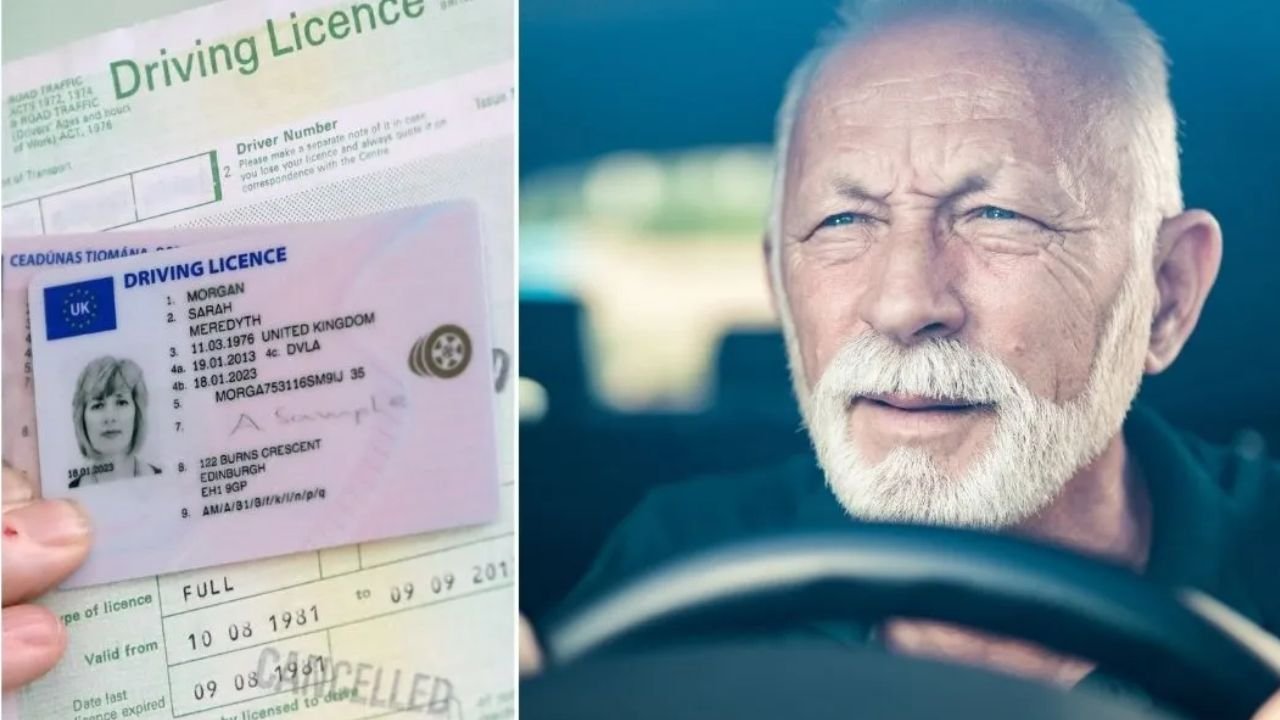
The Department for Transport has finalized the regulatory framework for the updated driving licence system scheduled to commence in March 2026. This announcement specifically addresses the renewal process for motorists aged 70 and older, a demographic that currently represents one of the fastest-growing segments of road users in the United Kingdom. As we move through February 2026, it is essential to clarify that these updates are designed to refine administrative accuracy and medical transparency rather than impose arbitrary age-based restrictions. The core principle remains that fitness to drive, rather than a specific birth year, dictates eligibility for a valid permit.
Enhanced medical self-declaration protocols
The most significant technical shift in the March 2026 update involves the depth of the medical self-declaration. While the requirement to renew a licence every three years remains unchanged for those over 70, the digital and paper forms will now feature more granular prompts. These prompts are specifically engineered to capture early markers of cognitive changes, neurological shifts, and cardiovascular stability. Drivers must provide a comprehensive status update on conditions such as diabetes treated with insulin or any history of syncope. This level of detail ensures that the Driver and Vehicle Licensing Agency has a robust data set to assess road safety risks without requiring a physical examination for every applicant.
Digital identity verification and fraud prevention
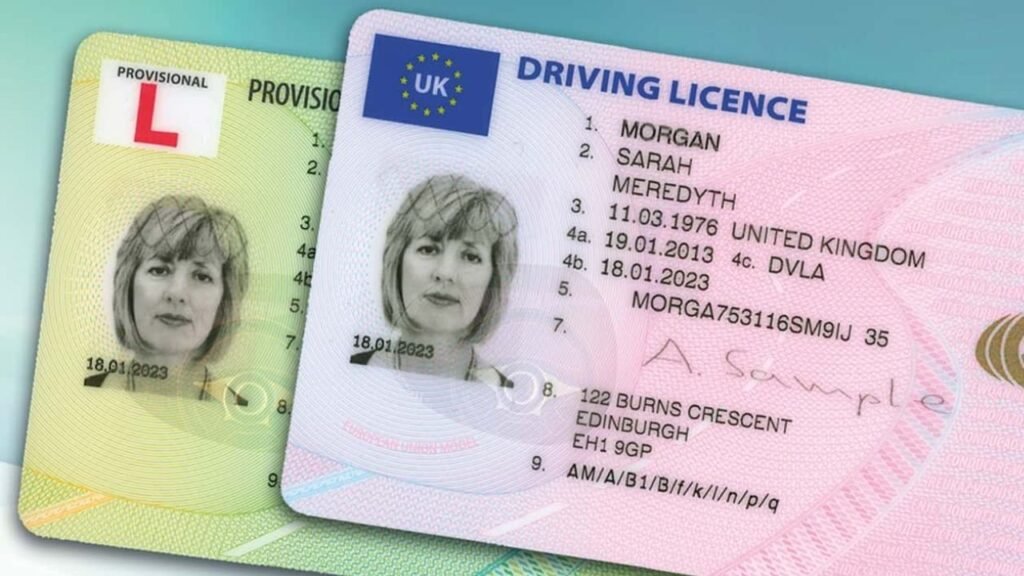
Starting next month, the online renewal portal will utilize advanced identity verification technology to streamline the application process. This update aims to reduce the processing time for the thousands of renewals submitted weekly by older motorists. By linking the renewal system more closely with national passport and digital ID databases, the agency can confirm an applicant’s identity almost instantaneously. For those who prefer traditional methods, the postal application route remains active, though the turnaround time is expected to be longer than the digital alternative. This hybrid approach ensures that all drivers, regardless of their technical proficiency, can maintain their legal status.
Clarification on the automatic retest myth
Contrary to widespread speculation circulating earlier this year, there is no introduction of a mandatory practical driving test upon reaching the age of 70. The government has confirmed that as long as a driver meets the prescribed medical and vision standards, their right to operate a vehicle is preserved. A retest is only ever triggered by specific circumstances, such as a recommendation from a medical professional or a police report following a road traffic incident. The March 2026 rules reinforce this stance, prioritizing individual health assessments over a blanket requirement that would unnecessarily burden both the driver and the testing infrastructure.
Mandatory vision standards and compliance
The legal requirement to read a standard number plate from a distance of 20 metres remains the primary benchmark for visual acuity. However, the 2026 guidelines include a more stringent reminder that this standard must be met with corrective lenses if they are prescribed for driving. Drivers are encouraged to undergo a professional eye examination before their renewal date to ensure their prescription is current. Under the new rules, failing to meet these vision standards or failing to declare a known sight impairment can lead to immediate licence revocation and potential fines of up to $1000, as well as the invalidation of any active motor insurance policies.
Comparison of Renewal Requirements by Age Tier
| Requirement | Age Under 70 | Age 70 to 79 | Age 80 and Over |
| Renewal Frequency | Every 10 Years | Every 3 Years | Every 3 Years |
| Application Fee | $14 (online) | $0 (free) | $0 (free) |
| Medical Declaration | At Application | Detailed Cycle | Detailed Cycle |
| Mandatory Retest | No | No | No |
For motorists approaching their 70th birthday or their subsequent three-year renewal in 2026, the most effective strategy is to begin the process ninety days before the current licence expires. You can utilize the enhanced digital portal to submit your medical declaration early, which allows the agency sufficient time to contact your healthcare provider if clarification is needed. It is also advisable to keep a record of your most recent optician’s report. If you have any doubt about your ability to meet the 20-metre number plate test, performing a self-check in a safe, controlled environment can provide peace of mind before the official declaration is signed.
Major Takeaways
- Driving licence renewal for those over 70 remains a mandatory three-year cycle.
- There is no requirement for a mandatory driving retest based solely on age.
- Renewal applications for drivers over 70 continue to be free of charge.
- New medical declaration prompts focus on cognitive and neurological health.
- Digital identity checks are being integrated to accelerate renewal processing.